
Material Reducing Molding Cycle Time by 20% Adopted on Outboard Motors for the First Time, contributing to carbon neutrality efforts with High-Cycle SMC.
Yamaha Motor and Yamaha Marine Co., Ltd., a wholly owned subsidiary of Yamaha Motor (hereafter “Yamaha Marine”), together with Japan Composite Co., Ltd. (hereafter “Japan Composite”) have co-developed a paintable material called High-Cycle SMC (Sheet Moulding Compound) , that can reduce moulding cycle time1 (CT) by 20% compared to conventional materials2.
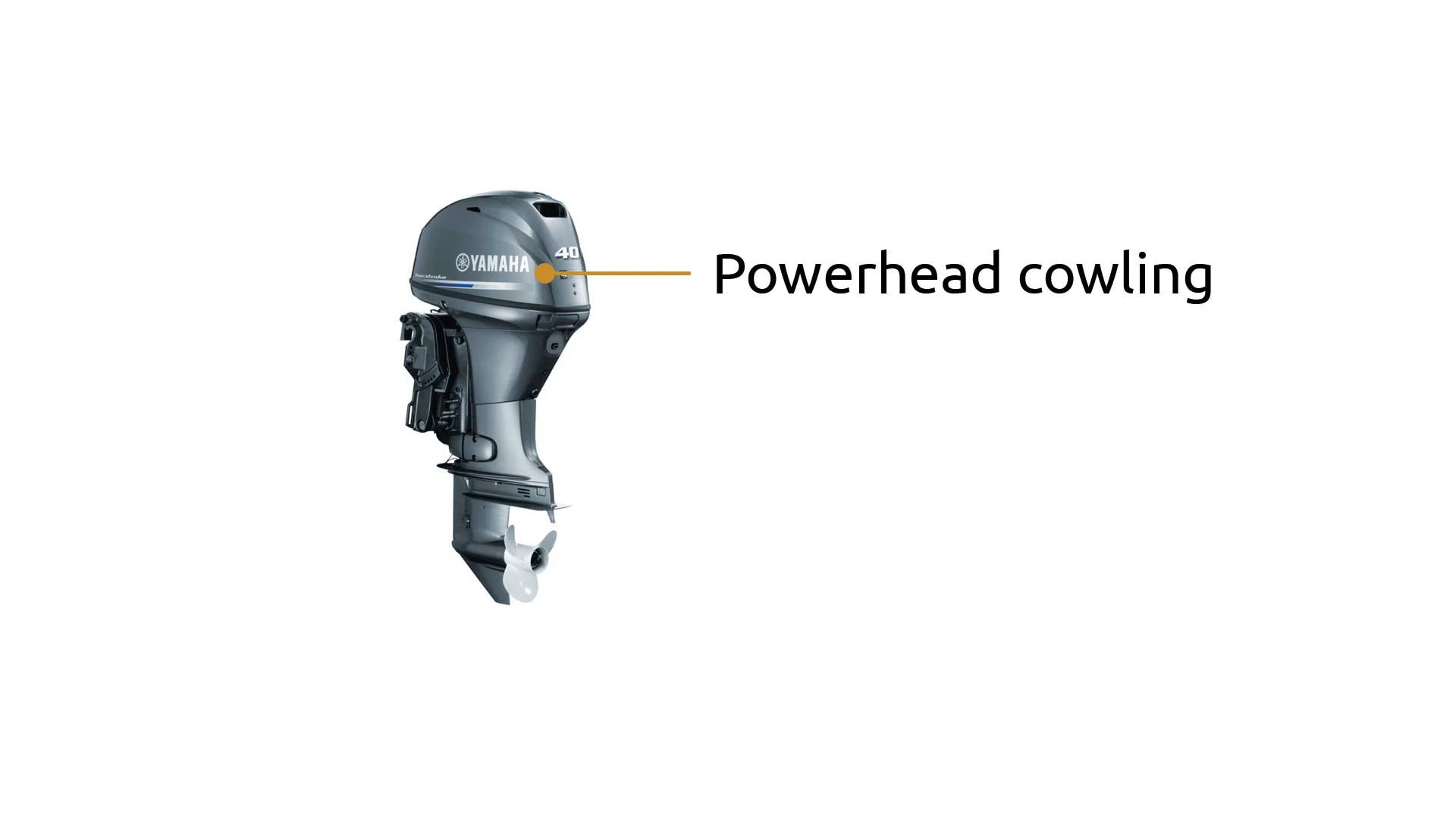
Since 2025, the new material has been used for the powerhead cowling of Yamaha outboard engines up to 40hp, contributing to improved production efficiency and reducing environmental impact. Yamaha outboard engines using this material are manufactured by Yamaha Marine.
The main merit of the newly developed High-Cycle SMC material is its lower thermal energy requirement for the moulding process. In general, SMCs are a type of thermosetting resin that requires a large amount of thermal energy during moulding. The burning of gas and electricity used to produce steam in this process fall under Scope 1 and Scope 23 greenhouse gas emissions from corporate activities.
This development project was successful through the continuous verification and optimisation of the materials and manufacturing processes by Yamaha Motor, Yamaha Marine, and Japan Composite. Adoption of High-Cycle SMC reduces moulding CT by 20% compared to conventional materials, and this reduction in energy used during moulding is projected to lower CO2 emissions by 20% as well.
In line with its Yamaha Motor Group Environmental Plan 2050, Yamaha is working toward being carbon-neutral4 throughout all of its supply chains, including its business activities by 2050. Furthermore, with Scope 1 and Scope 2 emissions, we have accelerated our plans to achieve carbon neutrality at our manufacturing sites—including at group companies—by 2035 and are ramping up efforts to that end, such as this adoption of High-Cycle SMC.
1 : Total time required for the entire process of filling the mould with material for one unit to removing the finished piece
2 : Based on Yamaha Motor research (March 2026)
3 : Emissions from the Company’s own activities
4 : Scope 1 and 2 emissions plus emissions other than Scope 1 and 2 (Scope 3)